- Proper dietary control
- Regular exercise
- Adequate sleep
- Stress reduction
- Long-term adjustments to eating habits
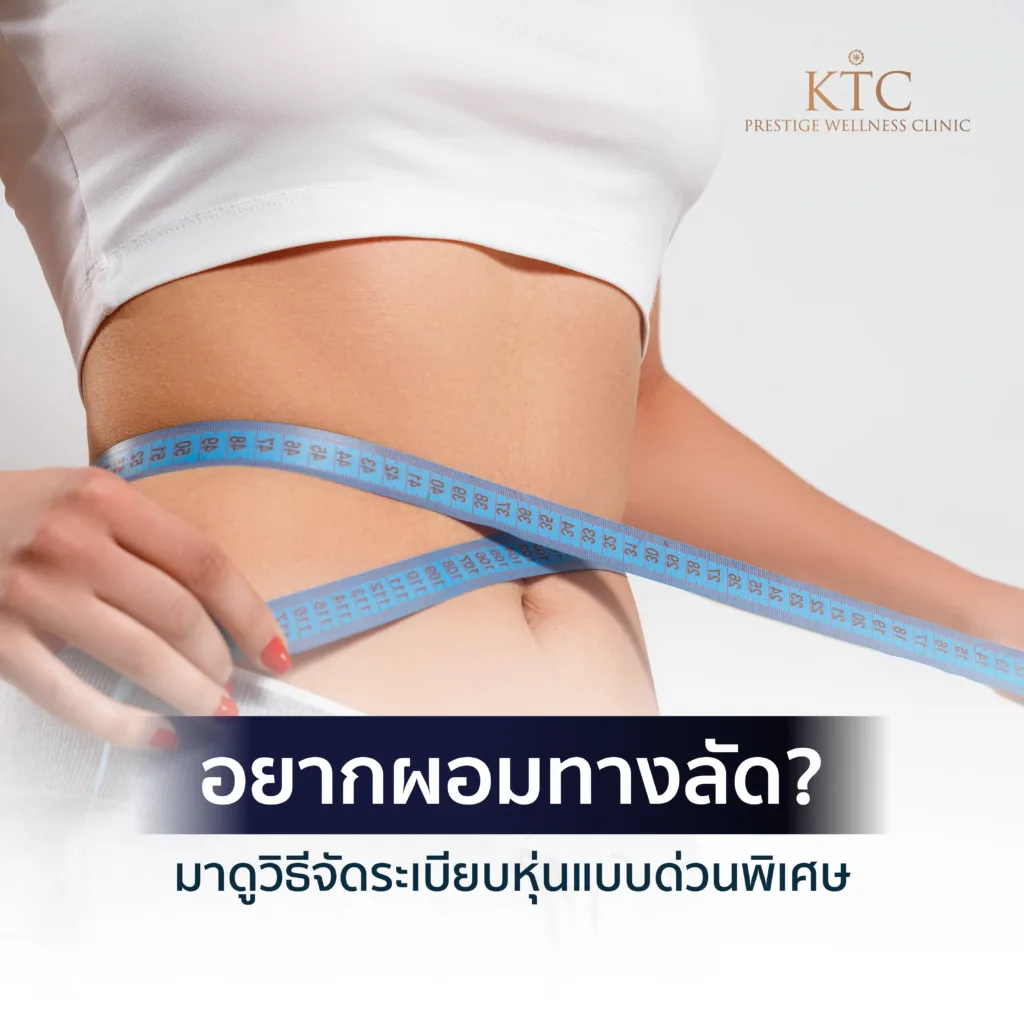
Weight management today goes beyond mere physical appearance; it significantly impacts overall health, daily energy levels, self-confidence, and long-term quality of life.
Many individuals try to control their weight through dieting, exercising, or making lifestyle changes. However, it’s important to recognize that body weight is influenced by more than just “discipline.” Factors such as hormones, sleep quality, stress, metabolism, and long-term eating habits play crucial roles.
Therefore, understanding your body and prioritizing your health is essential for achieving sustainable weight management.
Even with similar dietary controls and exercise routines, individual results can vary significantly. While some people find it easy to lose weight, others feel that no matter how hard they try, the scale won’t budge—or they experience a rapid rebound after losing it.
This discrepancy is often driven by a combination of multiple factors, such as:
Therefore, successful weight loss is not merely a matter of “willpower” or “effort” alone; it is deeply rooted in the overall balance of various bodily functions.
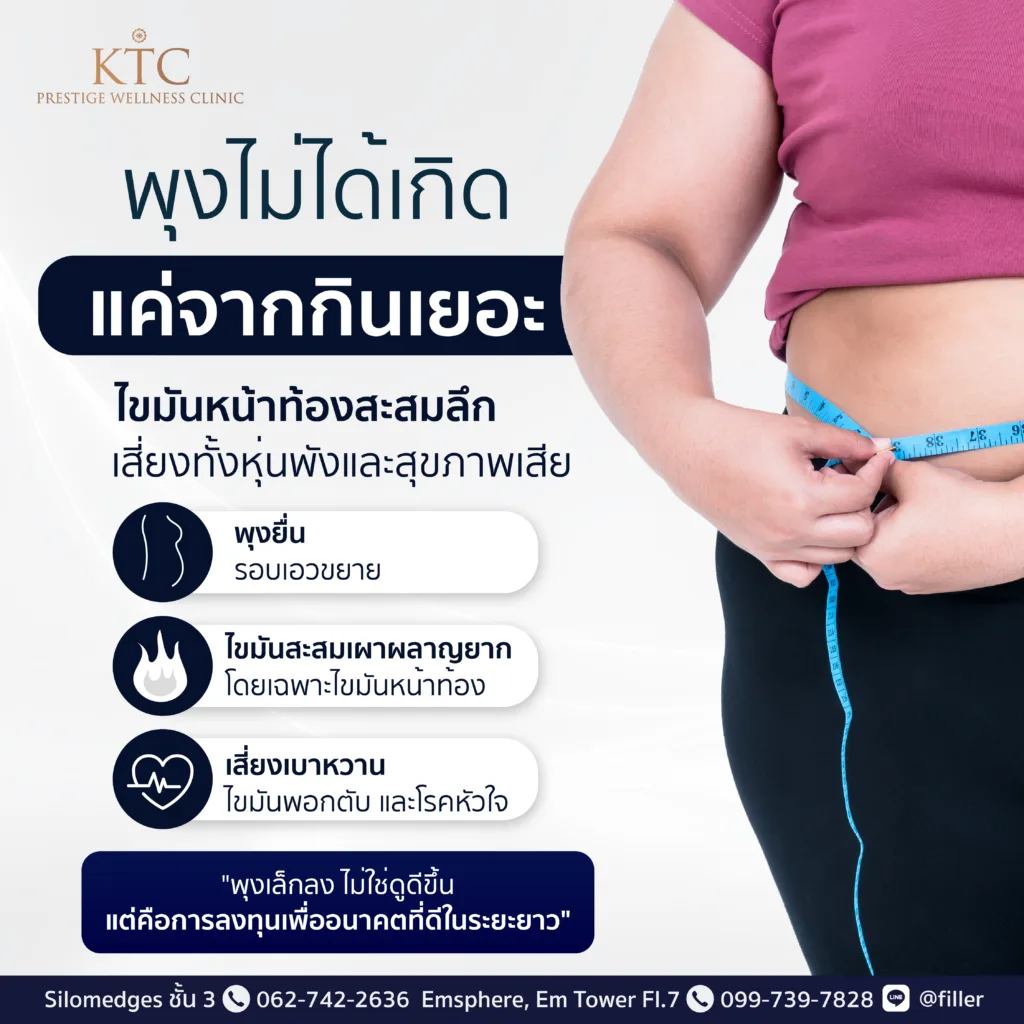
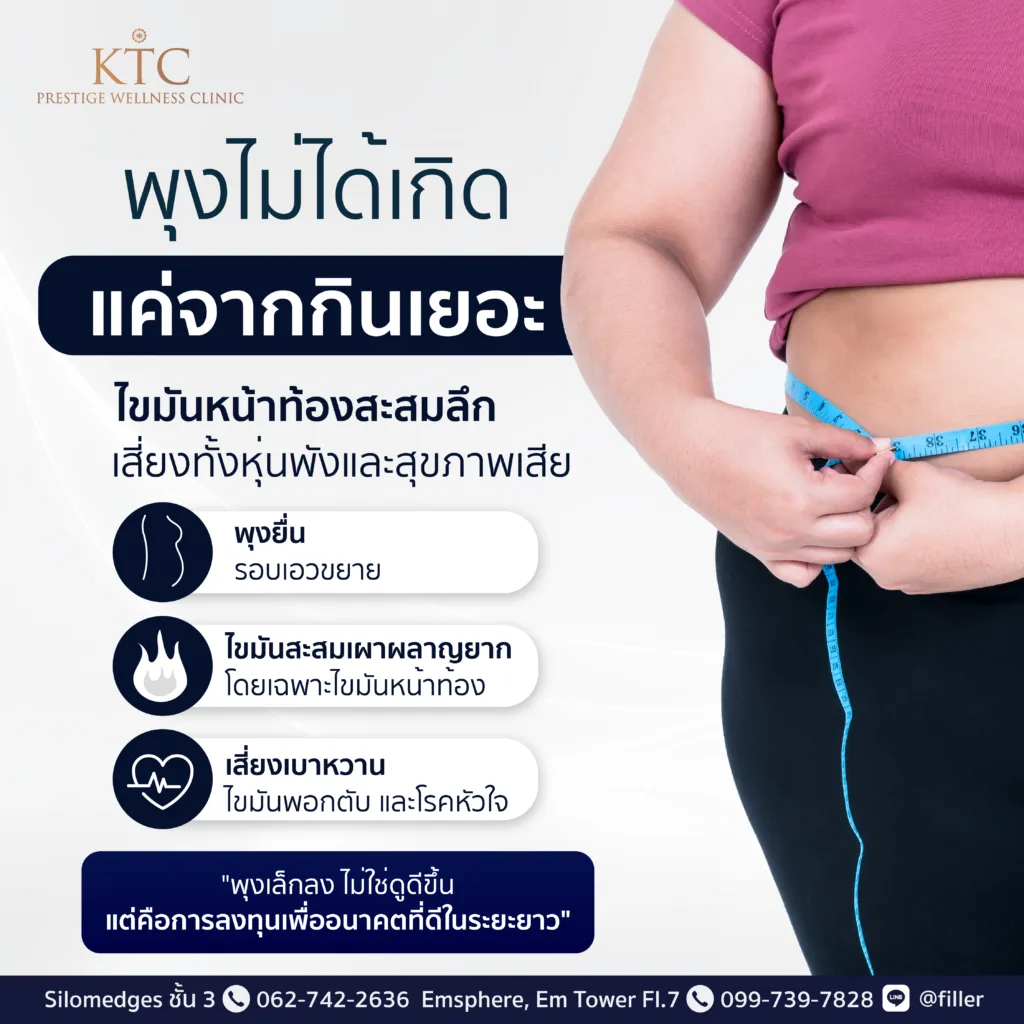
Many people attempt to lose belly fat through extreme fasting, eating very little, or strictly avoiding certain types of food, believing that the less they eat, the faster their belly fat will disappear.
In reality, abdominal fat is not caused by “overeating” alone, and excessive food restriction may not be a sustainable approach to weight management.
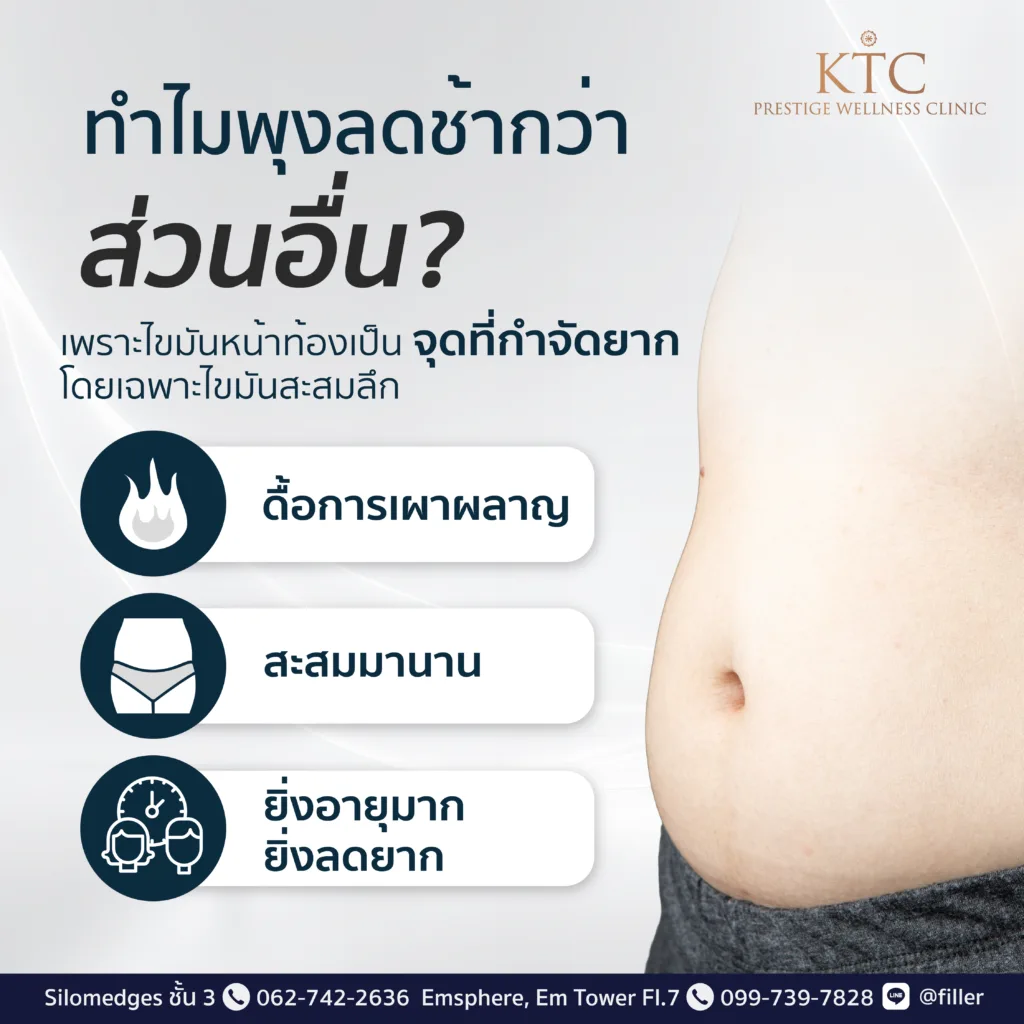
Belly fat, or accumulated abdominal fat, is driven by a combination of multiple factors, including hormones, stress, sleep quality, daily lifestyle habits, and the body’s long-term metabolic function.
hronic stress can significantly affect body weight and fat distribution, particularly contributing to abdominal fat due to the increased secretion of cortisol. Individuals who are sleep-deprived, overwhelmed with work, or leading an unbalanced lifestyle often struggle to lose belly fat, even with diet controls.
Additionally, stress is associated with:
All these factors can complicate long-term weight management efforts.
Many people choose extreme fasting as a way to lose belly fat. However, in some cases, eating too little can trigger bodily stress and negatively impact the metabolic system.
When the body is deprived of sufficient energy for an extended period, it can lead to:
Achieving a balanced weight loss is therefore often more sustainable than resorting to crash dieting.
While body weight is a primary focus for many, overall health shouldn’t be overlooked. Taking proper care of your body, getting adequate rest, and building balanced, long-term habits will ensure that weight management is both sustainable and far safer than before.
The body’s hormonal system plays a crucial role in regulating hunger and satiety, which directly impacts our eating behaviors. Key hormones involved in this process are:
When these hormones are in harmony, the body’s appetite regulation works effectively. However, when this balance is disrupted, individuals may experience increased hunger, challenges in achieving satiety, or unwarranted food cravings.
For many people who face challenges with weight management or struggle to control their eating patterns, hormonal imbalances can often play a significant role in these issues.
Sleep is another crucial factor influencing health and weight management. When we do not get enough rest, the body can experience hormonal shifts that affect both hunger and metabolism.
Many people who stay up late or are sleep-deprived often find themselves experiencing:
Additionally, lack of sleep can elevate stress hormone levels, which are directly linked to the accumulation of belly fat.
Getting adequate rest is therefore an essential component of long-term health care and sustainable weight management.
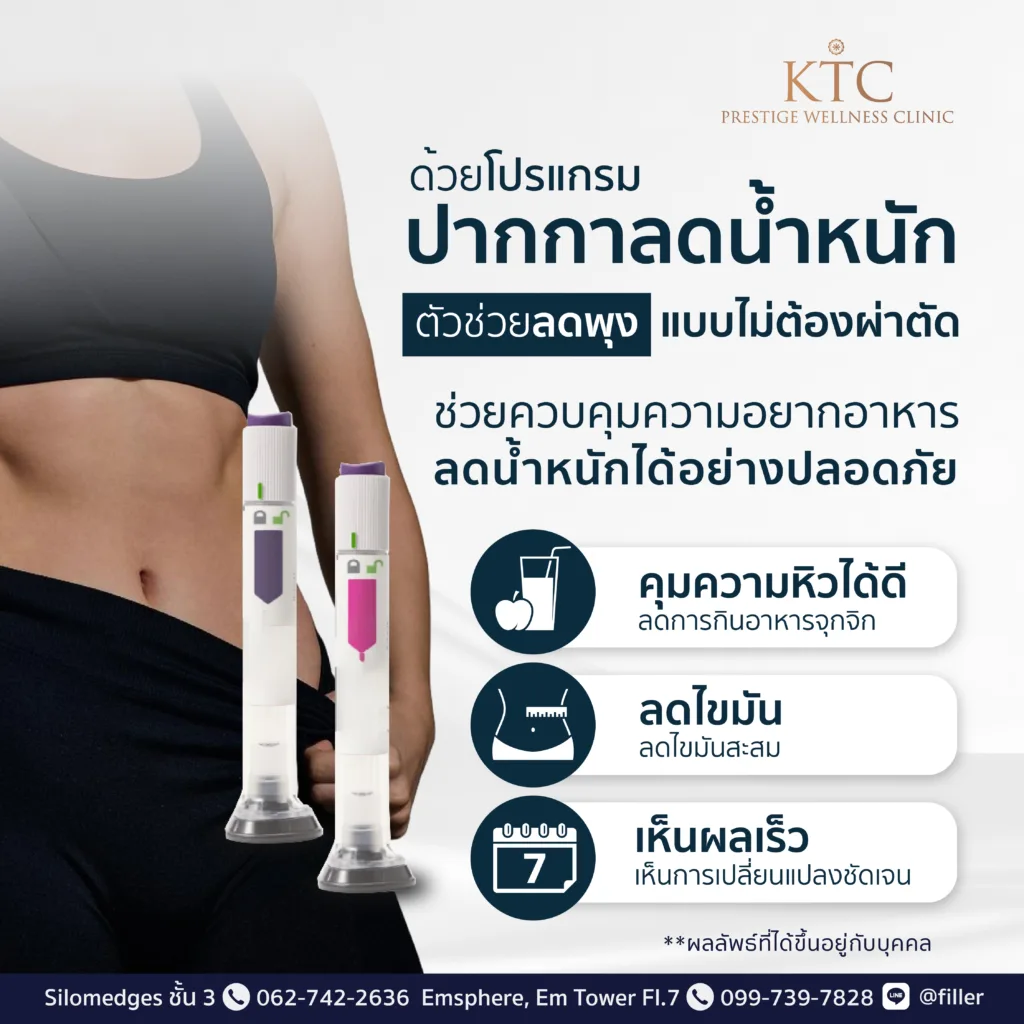
A weight-loss injection pen is a device used to administer medication into the body through the subcutaneous fat layer (under the skin). The medication helps regulate appetite, promoting a faster and longer-lasting sensation of fullness, and supports weight management in suitable individuals.
Do weight-loss injections actually work?
Weight-loss injections can effectively support weight reduction in many cases, especially when combined with dietary controls, regular exercise, and lifestyle adjustments. Results vary from person to person, depending on individual eating habits, metabolism, and how the body responds to the medication.
How do weight-loss injections work?
The injections function by helping regulate hunger and sending fullness signals to the brain. This promotes faster satiety, reduces appetite, and helps curb snacking throughout the day. Additionally, some mechanisms help maintain fullness longer by delaying gastric emptying (slowing digestion).
Do the injections hurt?
Since the injections utilize a very fine, small needle, they generally cause minimal discomfort. Many people describe the sensation as similar to a mild mosquito bite or a routine shot.
Can I buy and use a weight-loss injection pen on my own?
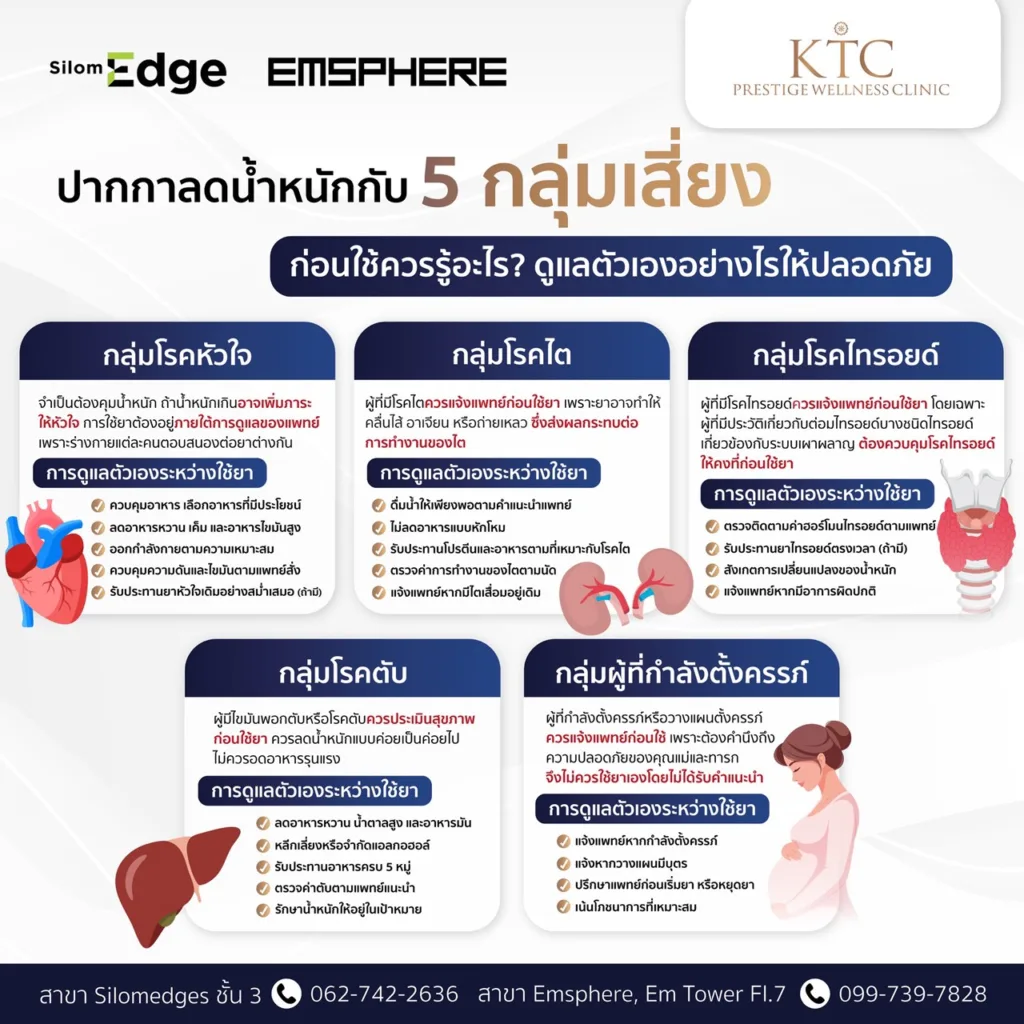
No, it should strictly be used under medical supervision. A physician needs to evaluate your body’s suitability, monitor your progress, and ensure your overall safety throughout the treatment.
Will I regain weight after stopping the medication?
If you return to your previous eating habits, there is a possibility of weight rebound. Therefore, long-term lifestyle adjustments—such as proper dietary management, regular exercise, and comprehensive health care—are crucial for maintaining sustainable results.
For consultations or to plan your next procedure, feel free to reach out to us! We’re here to assist you every step of the way.
Line@: @filler
Parking is available at all branches.
Emsphere Branch (BTS Phrom Phong) EM Tower, 7th Floor Contact Number: 099-739-7828
Silom Branch (BTS Sala Daeng / MRT Silom) Silom Edge, 3rd Floor (Take the escalator up from the 2nd-floor BTS walkway connection) Free parking for up to 6 hours Contact Number: 062-742-2636